House Survey Cost 2026: Level 1, 2 or 3?
Quick answer: A house survey in the UK typically costs £300 to £900 for a RICS Level 1 condition report, £400 to £1,000 for a Level 2 (HomeBuyer) survey, with a UK average of about £520, and £630 to £1,500 or more for a Level 3 building survey. The price rises with the property’s value and size. Choose Level 1 for a newer, conventional home in good condition, Level 2 for most standard homes, and Level 3 for older, larger, altered or unusual properties.
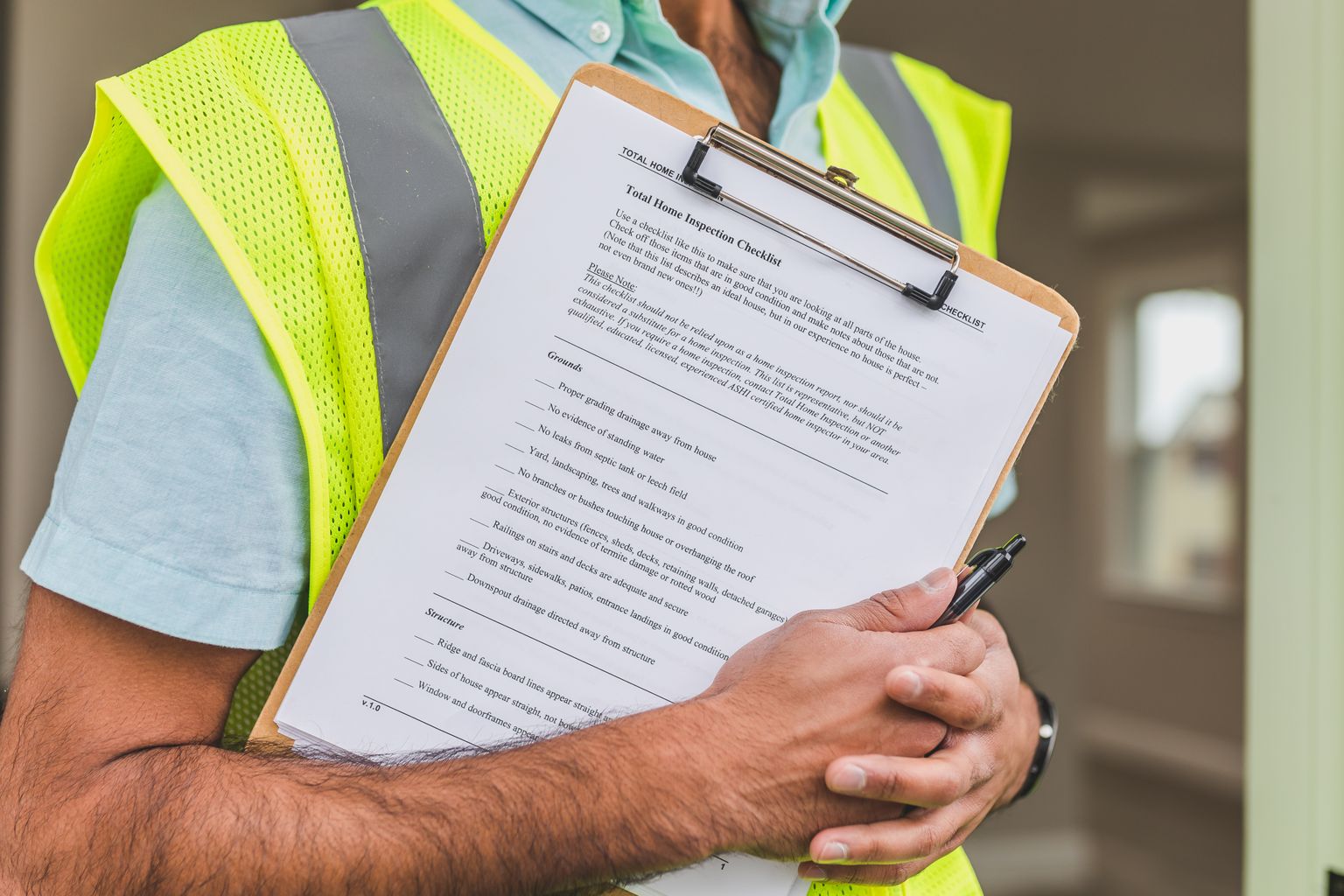
House survey costs in 2026
| Survey | Typical cost | Best for |
|---|---|---|
| RICS Level 1 (Condition Report) | £300 to £900 | Newer, conventional homes in good condition |
| RICS Level 2 (HomeBuyer Survey) | £400 to £1,000 (UK average about £520) | Most standard houses and flats in reasonable condition |
| RICS Level 3 (Building Survey) | £630 to £1,500+ | Older, large, listed, altered or run-down properties |
Survey cost by property value
| Property value | Level 1 | Level 2 | Level 3 |
|---|---|---|---|
| £100k to £249k | £300 to £500 | £400 to £600 | £630 to £800 |
| £250k to £349k | £500 to £600 | £600 to £700 | £800 to £900 |
| £350k to £499k | £600 to £700 | £700 to £800 | £900 to £1,100 |
| £500k to £1m | £700 to £900 | £800 to £1,000 | £1,000 to £1,500 |
These are indicative ranges from the HomeOwners Alliance; the Level 2 average comes from Reallymoving data for August 2026. London and high-value homes usually cost more. Always get a written quote for your property.
What does each survey level cover?
Level 1: condition report
A visual inspection that flags significant visible defects and gives each part of the home a traffic-light condition rating (1, 2 or 3). It does not give repair advice or a valuation.
Level 2: HomeBuyer survey
Covers the same ground in more detail, says how serious each problem is, gives advice on repairs and maintenance, and recommends further investigation where needed (for example damp, subsidence or electrics). You can usually add a market valuation.
Level 3: building survey
The most in-depth option. The surveyor looks for hidden defects, explains likely causes and, where agreed, estimates repair costs and timescales. It is the right choice for period homes, homes you plan to renovate, and properties with obvious problems.
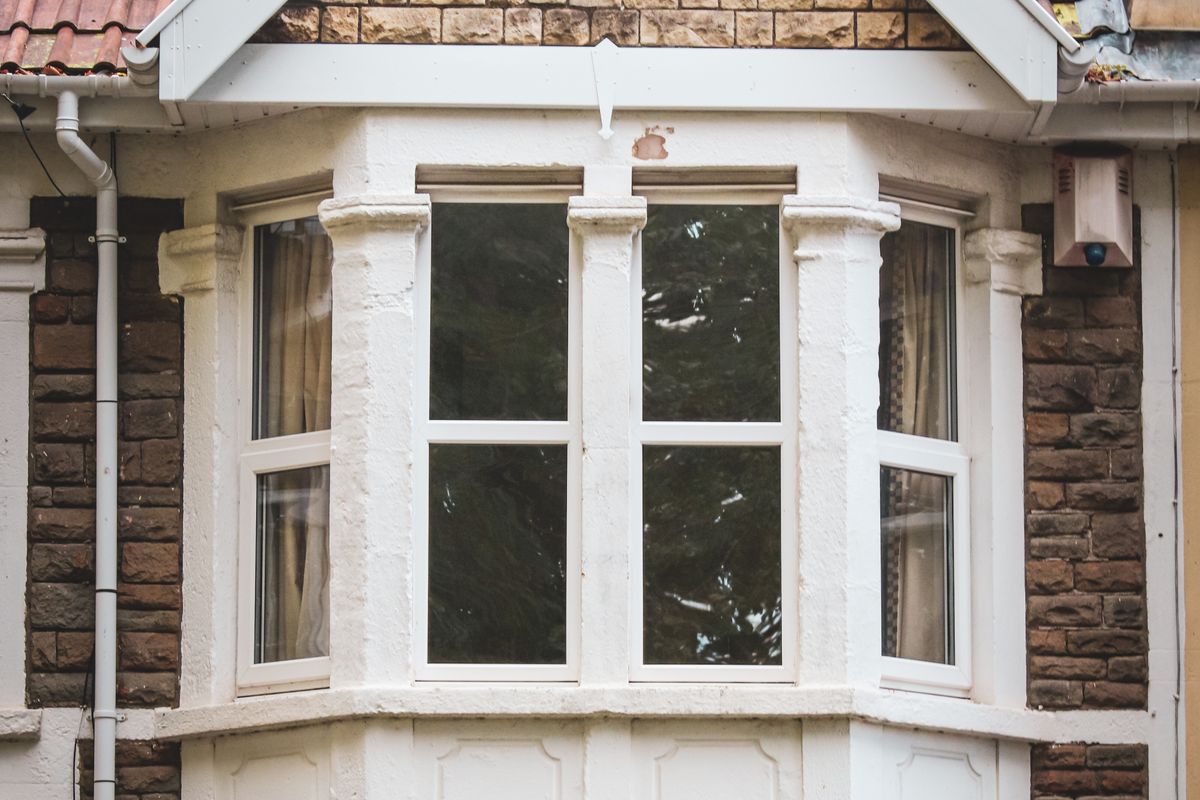
Which survey do I need?
| Property | Suggested survey |
|---|---|
| New build or less than about 10 years old | Level 1, plus a snagging inspection for a new build |
| 1930s to 1990s house or flat in reasonable condition | Level 2 |
| Victorian or Edwardian house | Level 3, or Level 2 if it is in very good condition and unaltered |
| Listed, thatched, timber-framed or unusual construction | Level 3 |
| Planning extensions or major renovation | Level 3 |
Is the mortgage valuation a survey?
No. The lender’s valuation only checks the home is worth the loan; it is for the bank, not for you, and it will not list defects. A survey is optional but it protects you from expensive surprises.
What if the survey finds problems?
- Get quotes for the repairs from builders or specialists.
- Ask the seller to fix the problem before exchange, or renegotiate the price using the quotes.
- If the problems are serious, you can still pull out before exchange of contracts.
Budget for all your buying costs
A survey sits alongside conveyancing fees, stamp duty and mortgage fees. Work out your monthly repayments with the mortgage calculator.
Frequently asked questions
How much does a house survey cost in 2026?
Typically £300 to £900 for a RICS Level 1, £400 to £1,000 for a Level 2 (UK average about £520) and £630 to £1,500 or more for a Level 3 building survey.
What is the difference between a Level 2 and Level 3 survey?
A Level 2 HomeBuyer survey suits standard homes in reasonable condition and flags problems with repair advice. A Level 3 building survey is more in-depth, looks for hidden defects and can estimate repair costs, so it suits older, larger or altered homes.
Do I need a survey if I have a mortgage valuation?
A mortgage valuation is for the lender and does not report defects. A survey is optional, but it is the only way to get an independent view of the property’s condition.
Who pays for the house survey?
The buyer arranges and pays for the survey.
Can I renegotiate after a survey?
Yes. Until contracts are exchanged you can ask the seller to repair problems or reduce the price, ideally backed by builders’ quotes.
Sources
Figures checked on 1 November 2026. This article is general information, not legal or financial advice.